


Carbon steel is iron, and iron rusts. That's true of any carbon steel pan, including ours. Heat treatment and factory seasoning make the pan easier to live with day to day, but they don't make it rust-proof. If you see rust on your pan, it isn't ruined, and it isn't a sign you did something wrong. It's a normal part of owning a pan made from a reactive material, and it's fixable in a few minutes.
Why Carbon Steel Rusts
Seasoning is what keeps a carbon steel surface protected. It's a thin layer of polymerized oil sitting on top of the metal, and as long as it's intact, it keeps air and moisture from reaching the iron underneath.
Rust shows up when that layer is missing or worn through in a spot, and the bare metal underneath is exposed to water and air for long enough to oxidize. The most common causes are: a pan left wet after washing, stored while still slightly damp, soaked in a sink, or put away for a while without a protective layer of oil. These are not kitchen mistakes–they're just the conditions rust needs.
What Rust Looks Like, and What It Doesn't
Rust is reddish-orange, dry, and slightly rough or flaky to the touch. It tends to be in patches rather than evenly across the pan, often on the cooking surface, around the edges, the base, or wherever seasoning has thinned.
This is different from the light orange residue that can appear on a towel during a new pan's first few washes, which comes from oxidizing beeswax and cooking oil on the surface, not the metal itself, and clears up on its own within the first few uses. (More on that here: About That Orange Residue) If you're only a few uses in and seeing color on a towel that goes away with washing, that's the residue, not rust. If you're seeing a rough, flaky patch on the pan itself, that's rust.
How to Remove It
Rust comes off with abrasion and a little patience — nothing specialized is required.
-
Scrub the rusted area. Fine steel wool, our chainmail scrubber, or coarse salt with a sponge all work. Focus on the rusted patch until the reddish color and rough texture are gone and you're back to bare metal.
-
Wash and dry thoroughly. Wash with water and a little soap to clear away any loosened rust, then dry the pan completely. Residual moisture is what caused the problem in the first place.
-
Re-season the area. Apply a thin layer of a high smoke-point oil to the cleaned spot and heat the pan until it stops smoking, following the same process as the Carbon Steel Seasoning Guide. One or two rounds is usually enough to rebuild a working layer.
What the Pan Looks Like Afterward
The re-seasoned area may look lighter or slightly different in color than the rest of the pan. That's normal, and it will darken and blend in with the surrounding surface as you cook on it. This doesn't affect how the pan performs.
Keeping It From Coming Back
The habits that prevent rust are the same ones good carbon steel care already asks for: dry the pan right after washing rather than leaving it to air dry, avoid letting it soak or sit wet in the sink, and if you're storing it for an extended period, wipe on a very thin layer of oil first. None of this needs to be precise. It's the same basic care the pan asks for every day, just applied consistently.
Rust is a normal part of using a reactive material like carbon steel, not a defect in the pan or in how you're using it. Removed and re-seasoned, the affected area goes right back to being a working part of the cooking surface.
Mentioned in this article


Product list
-
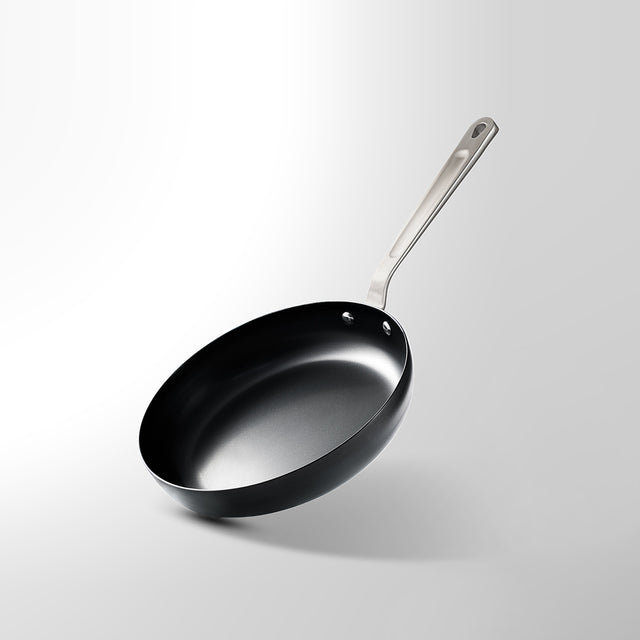
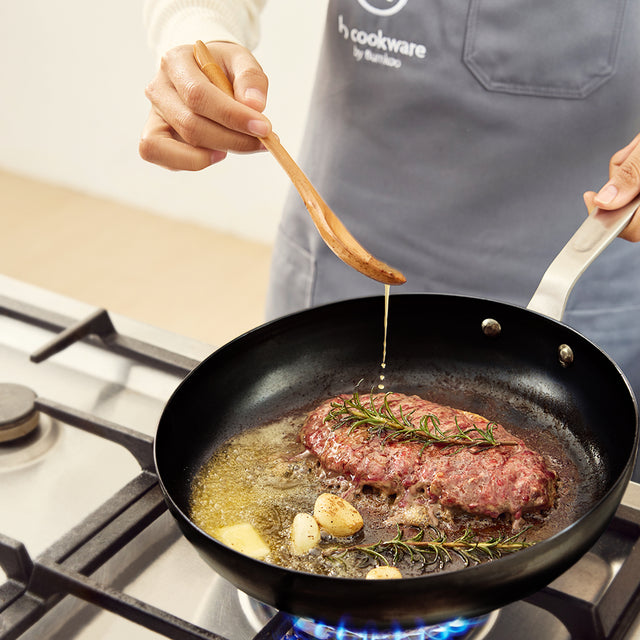 From ₩85,900( / )
 -
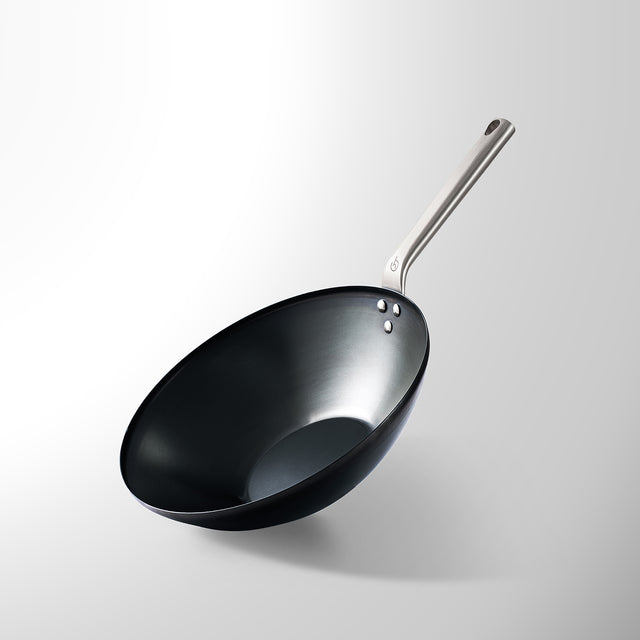
 ₩131,000( / )
 -
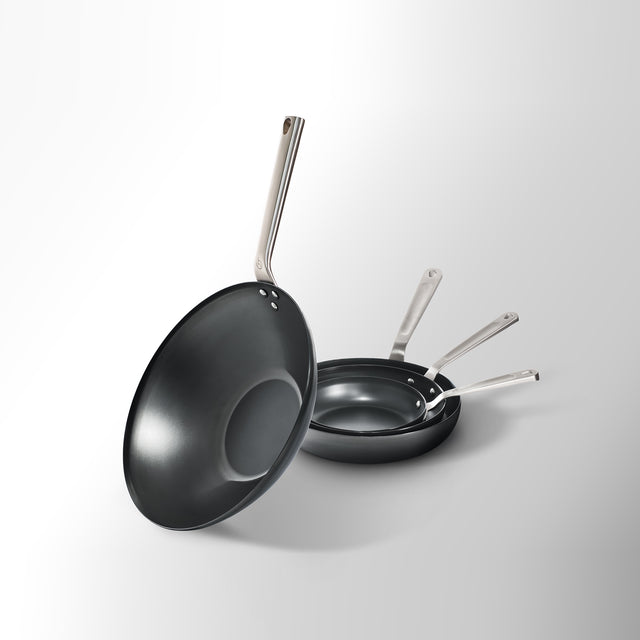
 14% off₩375,000
₩437,900( / ) -
 10% off
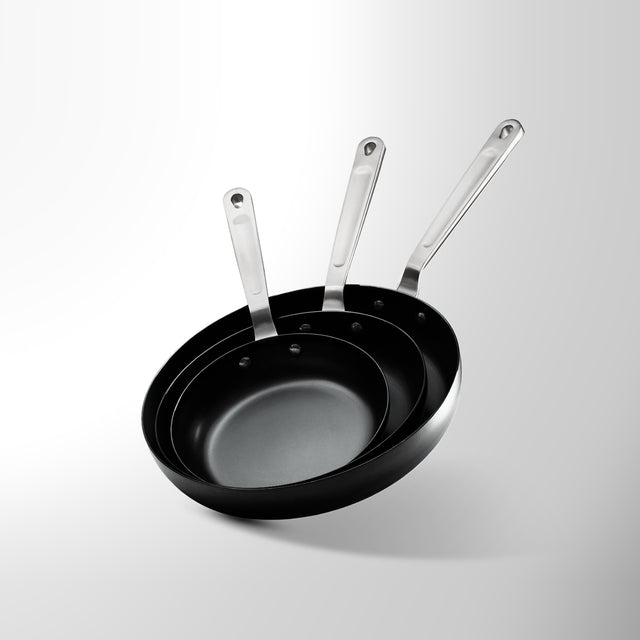
Carbon Steel Frying Pan 3-Piece Set
₩275,000₩306,900( / ) -
 19% off₩709,000
₩876,000( / ) -

 17% off₩465,900
₩562,500( / ) -
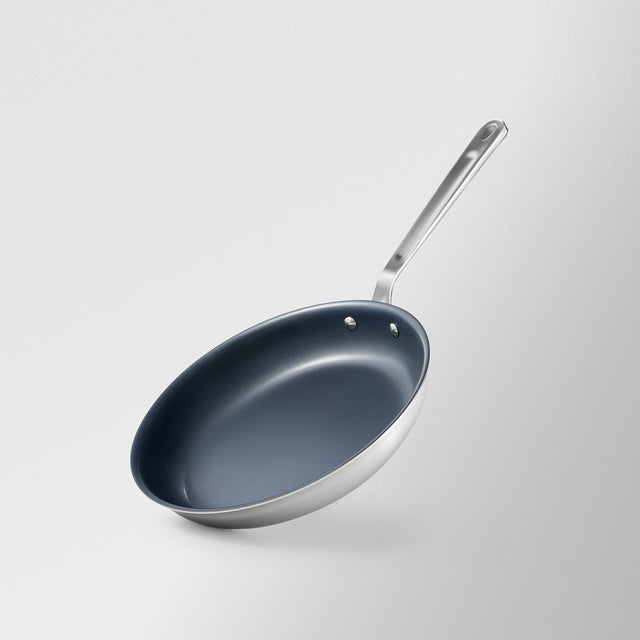
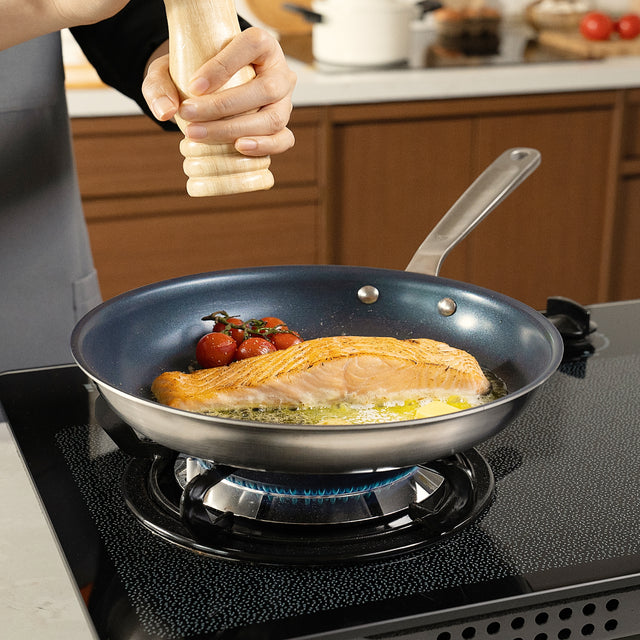 30% offFrom ₩78,750
₩112,500( / ) -
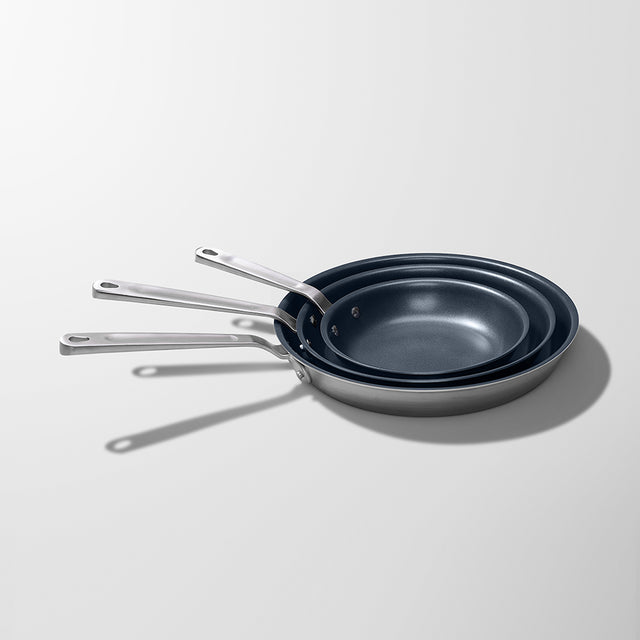
 40% off
Nonstick Frying Pan 3-Piece Set
₩248,700₩414,500( / ) -
 From ₩89,500( / )
 -
 10% off
Stainless Clad Frying Pan 3-Piece Set
₩294,500₩327,500( / ) -
 From ₩129,000( / )
 -
 ₩197,500( / )
 -
 From ₩181,000( / )


